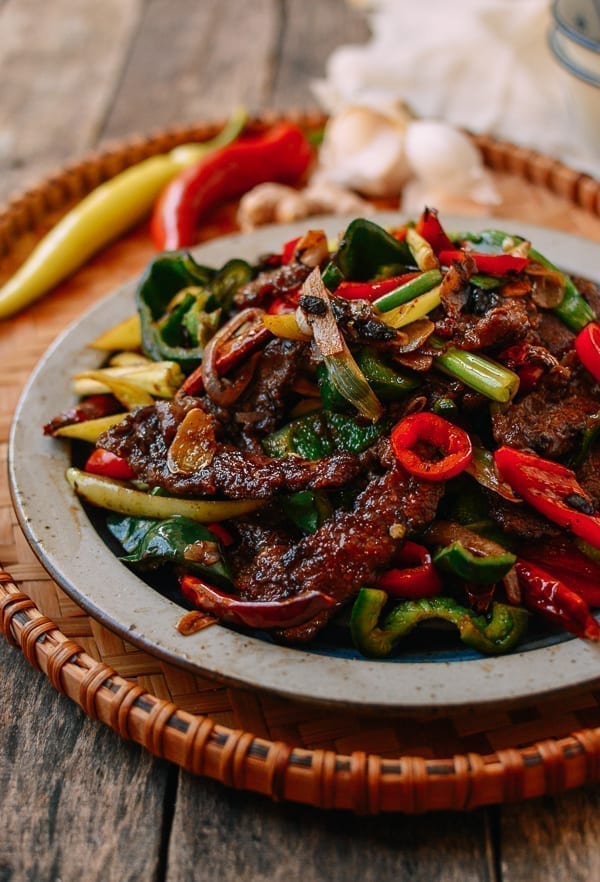
Master Authentic Hunan Beef: The Fiery Truth Beyond Takeout
Are you ready to elevate your culinary skills and bring the vibrant, bold flavors of China's Hunan province directly to your kitchen? Forget everything you thought you knew about your usual Chinese takeout order, because today we're diving deep into the world of authentic Hunan Beef. This isn't just a dish; it's a sensory experience, characterized by its unapologetic heat, profound savory notes, and perfectly tender beef. While delicious in its own right, the Americanized version often found in local restaurants pales in comparison to the nuanced spice and layered flavors of traditional authentic Hunan Beef.
Hunan cuisine, hailing from the south-central Hunan province, is renowned throughout China for its liberal use of chili peppers, garlic, and pungent seasonings. It's a cuisine that embraces intensity, aiming to tantalize the taste buds with a complex interplay of spice, saltiness, and aromatics, rather than sweetness. Mastering this dish at home means understanding these core principles and the specific ingredients that contribute to its distinctive character.
The Fiery Heart of Hunan: A Culinary Journey
The journey of Hunan Beef from its provincial origins to a global favorite is a tale of adaptation and taste evolution. In its homeland, this dish is a testament to Hunan's culinary philosophy: bold, spicy, and profoundly flavorful, often leaving a lasting, fiery impression. The focus is on the purity and intensity of core ingredients, allowing their natural flavors to shine through, amplified by a symphony of chilies and aromatics.
When Hunan cuisine, and specifically dishes like Hunan Beef, made their way to America in the mid-20th century, they underwent a transformation. American palates, generally less accustomed to the extreme heat levels of authentic Chinese cooking, led chefs to adapt. This often meant incorporating a wider array of vegetables like broccoli, bell peppers, carrots, and mushrooms, and notably, increasing the sweetness with sauces like hoisin or oyster sauce. The spiciness was often toned down, creating a milder, sweeter, and more vegetable-dense dish that, while popular, deviates significantly from its traditional counterpart. Our mission today is to reclaim that authentic essence, bringing the true spice and layered umami back to your plate.
Unpacking the Authentic Hunan Beef Flavor Profile
At its heart, authentic Hunan Beef is a masterpiece of balance and intensity. It's not just "spicy hot"; it's a nuanced heat that builds, complemented by a deep savory taste and an aromatic foundation. The flavor profile is bold, invigorating, and utterly addictive. This complexity arises from several key elements:
- Layered Spiciness: Unlike a one-dimensional heat, traditional Hunan Beef uses a combination of different chili peppers. This creates a spectrum of heat – from immediate warmth to a lingering sizzle – and adds aromatic depth that single chili varieties cannot achieve.
- Profound Umami: The savory brown sauce, often enriched with ingredients like fermented beans, soy sauce, and a touch of rice wine, provides a rich, meaty depth that grounds the spice. It's the "fifth taste" that makes you keep coming back for more.
- Fresh Aromatics: Generous amounts of fresh garlic and ginger are non-negotiable. They form the aromatic backbone of the dish, cutting through the richness and brightening the overall flavor.
- Tender Beef: The beef itself, when prepared correctly, is incredibly tender and juicy, absorbing the powerful flavors of the sauce and chilies without being overshadowed. Its texture is as crucial as its taste.
The beauty of this dish lies in its purity. There's no hiding behind excessive sugar or a multitude of bland vegetables. It's a celebration of prime ingredients, expertly combined to create a memorable culinary experience.
Mastering the Core Ingredients: Beyond Just Heat
Recreating authentic Hunan Beef at home hinges on selecting the right ingredients and understanding how to prepare them. Here’s a breakdown of the stars of this fiery show:
The Beef: Thinly Sliced and Tender
Forget thick-cut beef found in many takeout versions. Traditional Hunan Beef demands very thin slices, which allows the meat to cook rapidly, absorb flavors more efficiently, and achieve a unique, tender texture. To achieve this:
- Cut: Opt for lean cuts like flank steak, sirloin, or even tenderloin.
- Slicing Tip: Partially freeze your beef for about 30-45 minutes before slicing. This firms it up, making it much easier to cut against the grain into paper-thin pieces.
- Tenderizing Magic: A small pinch of baking soda (about ¼ teaspoon per pound of beef) mixed into the marinade is a game-changer. It works by breaking down the meat fibers, ensuring a melt-in-your-mouth tenderness that's characteristic of authentic Chinese stir-fries. Don't worry, you won't taste it!
The Chilies: The Soul of the Spice
This is where the magic truly happens, creating that signature layered heat. A combination of dried and fresh chilies is key:
- Dried Facing Heaven Chilis (朝天椒, *Chao Tian Jiao*): These medium-spicy, velvety red chilies are easily found in Chinese markets or online. They contribute a foundational heat and beautiful color. If unavailable, dried arbol chilies can be a substitute, though Facing Heaven offers a superior aroma.
- Fresh Green Chilies:
- Chinese Long Green Chili Peppers: These provide a fresh, vibrant heat.
- Bird's Eye Chilis: For those who truly crave fiery spiciness, a few bird's eye chilies will deliver a powerful punch.
- Milder Alternatives: If you prefer to tone down the heat without sacrificing texture, Anaheim peppers or Cubanelle peppers are excellent choices. They have a similar texture and a milder profile, allowing you to customize the spice level.
- Fresh Red Chilies:
- Er Jing Tiao (二荆条): Ideally, seek out these long red chili peppers. They offer a less aggressive heat than bird's eye chilies, contributing a more rounded, aromatic spice.
- Alternatives: Red jalapeño peppers are a good accessible substitute. If you can only find bird's eye chilies, use them sparingly or omit the fresh red chilies if the overall heat level becomes too intense for your preference.
Pro Tip: Don't be afraid to experiment with the chili combination to find your personal perfect balance of heat and flavor. The goal is depth, not just raw fire.
Aromatics and Sauce Base
- Garlic and Ginger: These form the aromatic bedrock of any good Chinese stir-fry. Use fresh and generous amounts, finely minced or sliced.
- The Savory Sauce: While exact ratios vary, a typical authentic Hunan Beef sauce will be savory and umami-rich, not sweet. It often includes light soy sauce, a dash of dark soy sauce for color, Shaoxing rice wine (or dry sherry), a splash of Chinkiang black vinegar, and potentially a hint of sesame oil at the very end. Some recipes may also incorporate fermented black beans for an extra layer of savory depth.
Step-by-Step Towards Authentic Hunan Beef at Home
With your ingredients prepped, the cooking process for authentic Hunan Beef is quick and demands high heat, a technique known as Wok Hei (the "breath of the wok").
- Marinate the Beef: Combine your thinly sliced beef with a simple marinade of light soy sauce, Shaoxing wine, a pinch of baking soda, and cornstarch. Let it sit for at least 15-20 minutes. This ensures tenderness and helps the beef develop a beautiful sear.
- Prepare Your Mis en Place: Have all your chilies, garlic, ginger, and sauce ingredients measured and ready. Stir-frying happens fast!
- High Heat Stir-Fry: Heat your wok or large skillet over high heat until it's smoking. Add a high smoke point oil (like grapeseed or canola).
- Sear the Beef: Stir-fry the marinated beef in batches if necessary, to avoid overcrowding the wok. Cook until just browned and cooked through, about 1-2 minutes. Remove and set aside. Overcooking the beef is the biggest mistake you can make.
- Aromatics and Chilies: Add a bit more oil to the wok, then quickly stir-fry the dried chilies until fragrant, followed by the fresh chilies, garlic, and ginger. Cook until aromatic, about 30 seconds to 1 minute, allowing the chilies to release their oils.
- Combine and Sauce: Return the beef to the wok. Pour in your pre-mixed savory sauce. Toss everything quickly to coat. The sauce should thicken almost immediately due to the cornstarch in the beef marinade.
- Serve Immediately: Authentic Hunan Beef is best served hot off the wok, preferably with steamed white rice to soak up all the delicious, spicy sauce.
For those mindful of dietary restrictions, this dish can be easily adapted to be gluten-free by using tamari instead of regular soy sauce and ensuring any fermented bean paste used is also gluten-free.
Conclusion: Embrace the Spice and Flavor
Mastering authentic Hunan Beef at home is a rewarding culinary adventure that promises a burst of flavor far beyond what you'll find in standard takeout. By focusing on thinly sliced, tenderized beef, a thoughtful combination of chilies, and a rich, savory sauce, you can recreate the true essence of Hunan cuisine. Embrace the bold spices, the deep umami, and the aromatic complexity, and you'll discover a dish that's not just food, but a vibrant expression of a rich culinary heritage. So, grab your wok, gather your chilies, and prepare to ignite your taste buds with this unforgettable dish!
