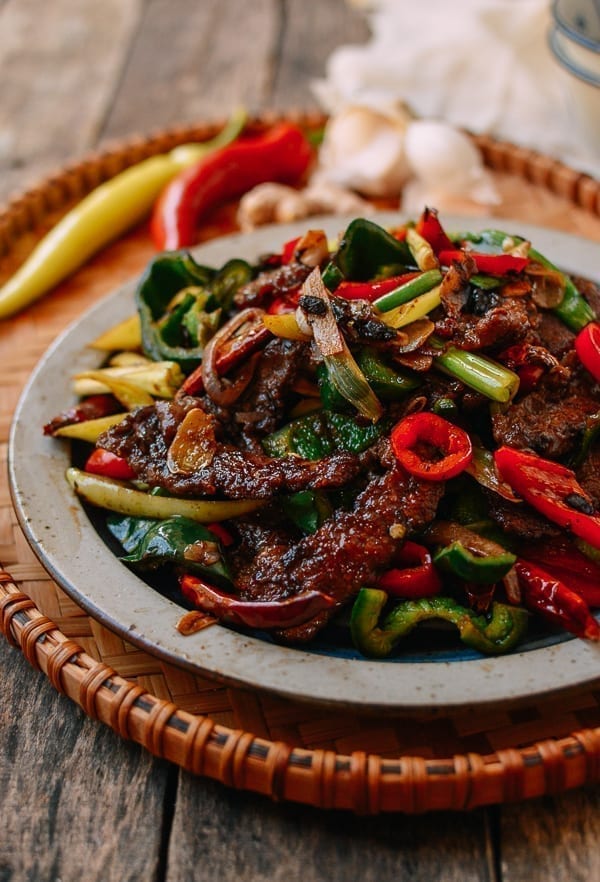
Authentic Hunan Beef: The Fiery Truth Beyond Takeout
For many, the mention of "Hunan Beef" conjures images of a familiar, savory, and mildly spicy stir-fry from their local Chinese takeout. While undeniably delicious in its own right, this Americanized rendition often paints only a partial picture of a dish celebrated in its homeland for a truly explosive, layered flavor and an unapologetic kick. The authentic
Hunan Beef, or 湖南小炒肉 (Húnán xiǎo chǎoròu), is a culinary experience that transcends the familiar, offering a vibrant tapestry of heat, umami, and tender beef, deeply rooted in the fiery heart of Hunan province, China.
The Fiery Roots: A Glimpse into Hunan Cuisine
Hunan province, nestled in the southern-central part of China, is renowned for one of the country's "Eight Great Cuisines" – Xiang cuisine. Unlike the numbing spice of Sichuan food, Hunan cuisine is characterized by its "gan la" (干辣), meaning "dry heat" or pure pungency, often derived from a generous and artful use of fresh chilies, dried chilies, garlic, and fermented ingredients. The climate of Hunan, with its hot and humid summers, historically led locals to believe that spicy foods could help expel internal dampness and boost energy, cementing chilies as a foundational element of their diet.
Hunan Beef is a stellar example of this culinary philosophy. It's a dish where every ingredient plays a crucial role in building complex, bold flavors. Traditional Hunan dishes prioritize the purity and intensity of their core components, allowing the natural essence of the beef, the sharp bite of garlic and ginger, and the potent heat of various chilies to shine through. This focus on intense, direct flavors sets the stage for a truly authentic experience that differs significantly from its Western adaptations.
Beyond the Takeout Container: Unmasking Authentic Hunan Beef
The journey from a traditional Hunan kitchen to an American Chinese restaurant often involves a significant transformation. While American takeout versions have endeared themselves to many palates, understanding the distinctions reveals the profound depth of the original.
Ingredient Purity vs. Vegetable Variety
One of the most immediate differences lies in the ingredient list. American takeout
Hunan Beef frequently incorporates a medley of vegetables such as broccoli, bell peppers, carrots, and sometimes mushrooms. While adding texture and nutritional value, this dilutes the intensity of the core flavors. In contrast, authentic
Hunan Beef focuses intently on the primary elements: thinly sliced beef, an abundance of fresh chilies (both green and red), aromatic garlic, and pungent ginger. The emphasis is on letting these core ingredients create a symphony of taste, unburdened by extraneous additions. It's a testament to the belief that fewer, perfectly balanced ingredients can yield a richer, more profound flavor.
The True Spice Level: A Defining Characteristic
Perhaps the most striking divergence is the heat level. American versions often tone down the spice considerably to cater to a broader Western palate. While still delivering some warmth, they rarely reach the fiery crescendo of a genuine Hunan preparation. Traditional
Hunan Beef, however, embraces its spicy heritage with gusto. It’s significantly hotter, designed to leave a lasting impression of its invigorating, layered heat. This isn't just about raw capsaicin; it's about a nuanced spice profile achieved through the strategic combination of different chili varieties, each contributing its unique heat and aroma. The heat is not merely an add-on; it's an intrinsic part of the dish's identity, delivering a unique culinary thrill. For those eager to explore this depth, learning to
Master Authentic Hunan Beef: Spice & Flavor at Home is a rewarding endeavor.
Flavor Profile: Savory Depth vs. Sweetened Notes
Another key distinction lies in the overall flavor profile. American takeout
Hunan Beef often leans sweeter, incorporating ingredients like hoisin or oyster sauce, or simply more added sugar. This creates a more universally appealing, often glossy sauce. Authentic
Hunan Beef, conversely, champions a deeply savory and umami-rich brown sauce. This sauce is typically built on a foundation of light and dark soy sauce, Shaoxing wine, and perhaps a touch of black vinegar, creating a complex, well-rounded flavor that perfectly complements the fiery chilies and tender beef without relying on overt sweetness. The umami is deep and pervasive, enhancing the natural flavors of the beef and vegetables rather than masking them.
The Art of the Slice: Thin Beef for Tender Perfection
A seemingly minor detail that significantly impacts the experience is the thickness of the beef. American takeout frequently uses thick-cut beef in its stir-fries. In traditional
Hunan Beef, however, the beef is always sliced distinctively thin. This isn't merely for aesthetics; thin slices ensure that the beef cooks quickly and evenly, remain incredibly tender, and more importantly, absorb the powerful flavors of the marinade and sauce much more effectively. To achieve this signature tenderness and facilitate thin slicing, a small amount of baking soda is typically added to the beef marinade. This natural tenderizer breaks down muscle fibers, ensuring a melt-in-your-mouth texture that is crucial to the authentic experience. This precise preparation is one of the many ways
Hunan Beef Unveiled: Traditional Spice vs. American Sweetness truly shines.
Crafting the Heat: A Deep Dive into Hunan Chilies
The secret to the distinctive spice and layered flavor of authentic
Hunan Beef lies in the intelligent combination of several chili types. It's rarely just one kind of pepper, but a thoughtful blend that builds a complex heat profile.
* **Dried Facing Heaven Chilis (朝天椒, Chao Tian Jiao):** These medium-spicy chilies are a staple. Their vibrant, velvety red color and balanced heat provide a foundational warmth and appealing visual. They are readily available in most Chinese markets or online specialty stores.
* **Fresh Green Chili Peppers:** For a fresh, immediate kick, Chinese long green chili peppers are often used. These contribute a bright, herbaceous heat. If Chinese long green chilies are hard to find, milder alternatives like Anaheim or Cubanelle peppers can offer a similar texture while toning down the spice, making the dish more accessible for those building their spice tolerance. For an even fierier punch, bird's eye chilies are sometimes added to the mix.
* **Fresh Red Chili Peppers (Er Jing Tiao, 二荆条):** These long, slender red chilies are prized for their less aggressive heat compared to bird's eye chilies, offering a more rounded and aromatic spiciness. They contribute a beautiful red hue and a nuanced flavor that deepens the chili profile. If Er Jing Tiao are unavailable, red jalapeños can serve as a decent substitute, or for ultimate heat, more bird's eye chilies can be employed (though this will significantly increase the spiciness).
The mastery lies in balancing these different chilies to create a multi-dimensional heat that tingles on the tongue, warms the stomach, and enhances the savory notes without overwhelming the palate.
Bringing Authentic Hunan Beef Home: Tips for the Aspiring Chef
Recreating authentic
Hunan Beef in your own kitchen is a rewarding culinary adventure. Here are some actionable tips to guide you:
1. **Sourcing the Right Chilies:** Don't be afraid to visit your local Asian grocery store or explore online specialty food retailers. Many now carry a good selection of dried and fresh Chinese chilies. Experiment with combinations to find your preferred spice level and flavor balance.
2. **Achieving Thin Slices:** This is crucial for texture and flavor absorption. Partially freezing your beef (about 30-60 minutes, depending on thickness) makes it much easier to slice against the grain into paper-thin pieces. A sharp knife is indispensable.
3. **Mastering the Marinade:** Don't skip the baking soda! It's the secret to incredibly tender beef. Combine it with a touch of soy sauce, Shaoxing wine, and cornstarch for a perfect coating that protects the beef during high-heat stir-frying.
4. **High Heat, Quick Stir-Fry:** Authentic Hunan Beef is a stir-fry, meaning it cooks rapidly over very high heat. Ensure your wok or large skillet is screaming hot before adding the ingredients. Cook the beef in batches if necessary to avoid overcrowding the pan, which can steam the meat instead of searing it.
5. **Balance the Sauce:** The brown sauce should be savory and umami-rich, not overly sweet. Taste and adjust with soy sauce, Shaoxing wine, a splash of black vinegar, and a touch of sugar (if desired, but sparingly) to achieve that signature Hunan depth.
Conclusion
Authentic
Hunan Beef is more than just a dish; it's a testament to a rich culinary heritage, a bold statement of flavor, and a vibrant exploration of spice. Moving beyond the familiar takeout version reveals a world of pure, intense flavors, incredibly tender beef, and a layered heat that awakens the senses. By understanding its fiery roots, embracing its distinctive ingredients, and mastering a few key techniques, you can bring the true essence of Hunan to your own table, experiencing the unforgettable thrill of this iconic Chinese delicacy. It’s a dish that truly defines the difference between a comforting meal and an exhilarating culinary journey.