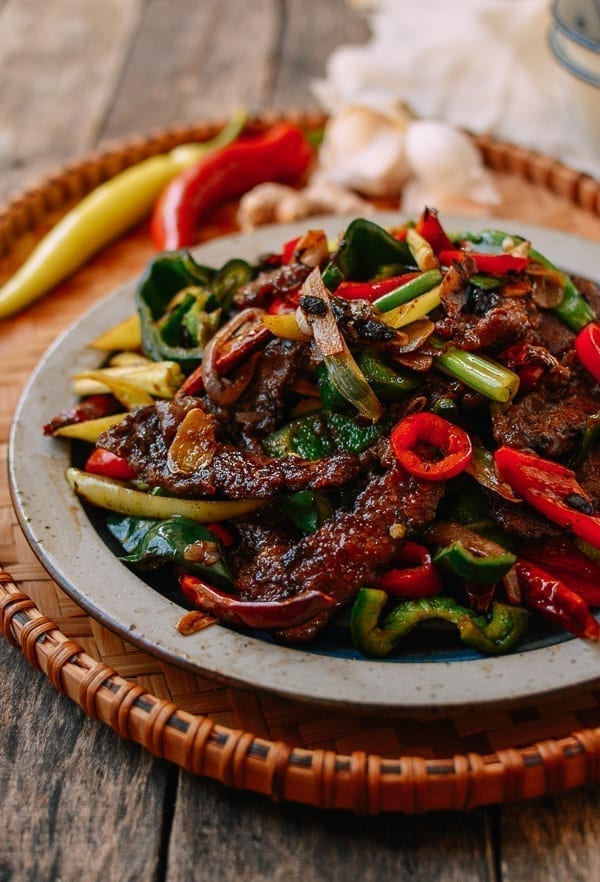
Hunan Beef Unveiled: Traditional Spice vs. American Sweetness
Few dishes ignite the senses quite like
Hunan Beef. This iconic Chinese stir-fry has captured palates worldwide, renowned for its bold flavors and tantalizing heat. However, like many beloved international dishes, its journey across continents has led to fascinating culinary evolutions. While American takeout menus feature a version known for its savory beef, crisp vegetables, and a discernible sweetness, the traditional
Hunan Beef found in its birthplace, Hunan province, China, tells a distinctly different, far spicier story. Understanding this delicious dichotomy not only enriches our appreciation for the dish but also opens the door to a more authentic culinary experience.
The Fiery Heart of Hunan: Understanding Traditional Hunan Beef
In the heartland of China's Hunan province, cuisine is synonymous with "xiang la" – a vibrant combination of fragrant and spicy. Traditional
Hunan Beef epitomizes this philosophy. Far from being merely hot, the spice profile is complex, layered, and aromatic, building to a satisfying, lasting warmth rather than an overwhelming burn.
At its core, authentic
Hunan Beef is a masterful orchestration of fundamental ingredients designed to highlight the purity and intensity of flavor. The emphasis is squarely on high-quality beef, fresh garlic, potent ginger, and, most crucially, an array of fresh and dried chilies. Unlike its American counterpart, which often features a medley of colorful vegetables, the traditional dish keeps the vegetable component focused, often incorporating just enough to provide texture and contrast without diluting the primary flavors.
A hallmark of authentic preparation is the beef itself. Traditional recipes call for very thin-sliced beef, a technique that ensures rapid cooking and maximum flavor absorption. To guarantee a meltingly tender texture, a small amount of baking soda is typically incorporated into the marinade – a classic Chinese culinary secret for meat tenderization. This attention to detail in beef preparation is a stark contrast to the often thicker-cut beef found in American versions, which can sometimes result in a chewier texture. The resulting dish is a symphony of tender, juicy beef stir-fried with crisp chili peppers and aromatics in a rich, umami-laden brown sauce that sings with savory depth. For those eager to explore the true essence, you might find
Authentic Hunan Beef: The Fiery Truth Beyond Takeout an enlightening read.
American Adaptation: Sweetening the Spice
When Hunan cuisine made its way to America, particularly in the mid-20th century with Chinese immigrants, a natural evolution began. Local chefs, eager to introduce these vibrant flavors to a new audience, adapted recipes to suit Western palates and to utilize more readily available ingredients. The result was a delicious, yet distinctively different, interpretation of
Hunan Beef.
The most noticeable transformation in American takeout
Hunan Beef is its flavor profile. While still retaining a degree of spiciness, the heat is significantly toned down compared to its Chinese ancestor. More strikingly, a pronounced sweetness often emerges, thanks to the liberal addition of sugar or sweetening agents like hoisin sauce or oyster sauce. This sweetness caters to a broader American preference, creating a dish that is savory, mildly spicy, and pleasantly sweet all at once.
Another significant divergence lies in the inclusion of vegetables. American Chinese restaurants often bulk up their
Hunan Beef with a wider variety of vegetables such as vibrant broccoli florets, colorful bell peppers, crisp carrots, and sometimes earthy mushrooms. While these additions contribute to a visually appealing and more substantial meal, they shift the focus away from the concentrated beef and chili essence that defines the traditional dish. The thicker cut of beef often employed also contributes to a different textural experience, less delicate than its thinly sliced counterpart.
A Tale of Two Chilies: The Flavor Battlefield
The true soul of
Hunan Beef, in both its traditional and American forms, lies in its chilies. However, the choice and combination of these fiery fruits are where the two versions most dramatically diverge, creating entirely different "flavor battlefields."
In authentic
Hunan Beef, the goal is a complex, layered spiciness, achieved through the judicious use of multiple chili varieties. Dried facing heaven chilies (朝天椒, Chao Tian Jiao) are a common staple, offering a medium heat and a beautiful velvety red hue. These are often complemented by fresh green chilies, such as Chinese long green chili peppers or the much hotter bird's eye chilies, which contribute a sharp, immediate spiciness. For a rounded flavor and vibrant color, traditional recipes might call for fresh Er Jing Tiao (二荆条) peppers, known for being less spicy than bird's eye chilies but rich in flavor. This meticulous combination ensures that the heat isn't just one-dimensional; it evolves on the palate, offering fragrant notes, a subtle warmth, and a lingering fire. The skillful balancing of these peppers is key to the dish's distinctive "xiang la" character.
Conversely, American takeout
Hunan Beef often employs a more simplified approach to chilies. While still providing heat, the emphasis shifts away from the layered complexity. Generic red chilies or a reduced quantity of spicier varieties might be used, resulting in a more uniform, less nuanced heat. The primary goal is usually to provide a pleasant kick without overwhelming diners unaccustomed to the intense spiciness of authentic Hunan cuisine. The inclusion of bell peppers, while adding color and crunch, also dilutes the chili-centric focus of the original dish.
Crafting Your Own Hunan Beef: Tips for Authenticity (or Delicious Compromise)
For home cooks inspired to explore the depths of
Hunan Beef, there are wonderful opportunities to either chase authenticity or create a delicious, personalized version.
1.
Master the Beef Slice: For traditional tender results, thinly sliced beef is paramount. Partially freezing your beef for about 30-45 minutes before slicing makes it much easier to achieve razor-thin cuts against the grain. Don't skip the baking soda in the marinade – it's a game-changer for tenderness.
2.
Embrace the Chili Variety: If you seek authentic spice, venture beyond a single type of chili. Look for dried facing heaven chilies, bird's eye chilies, or even red jalapeños (as a substitute for Er Jing Tiao) at Asian markets. Experiment with combinations to build that layered heat. If extreme spice isn't your preference, milder alternatives like Anaheim or Cubanelle peppers can mimic the texture of Chinese long green chilies while toning down the heat.
3.
Balance Sweetness (or Lack Thereof): For an authentic taste, minimize or eliminate added sugar. The sweetness in traditional
Hunan Beef comes from the natural caramelization of ingredients and a hint of rice wine, not added sweeteners. If you prefer the American takeout style, a tablespoon or two of sugar, hoisin, or oyster sauce can be incorporated into the sauce.
4.
Focus on Core Aromatics: Generous amounts of fresh garlic and ginger are non-negotiable. They form the aromatic backbone of the dish, providing a pungent, fresh counterpoint to the chilies and beef.
5.
Sauce Savvy: A good brown sauce should be rich in umami. Soy sauce, Shaoxing wine, a touch of dark soy for color, and perhaps a dash of rice vinegar create a robust base. A cornstarch slurry will give it that characteristic glossy finish.
Whether you're aiming for the fiery purity of Hunan or the beloved sweetness of American takeout, making
hunan beef at home allows for incredible customization. Learn more about mastering the flavors in
Master Authentic Hunan Beef: Spice & Flavor at Home.
In conclusion,
Hunan Beef serves as a fascinating culinary case study, illustrating how a dish can evolve and adapt while crossing cultural boundaries. From the uncompromising, layered spiciness and delicate beef of its traditional Chinese form to the sweeter, vegetable-laden iteration found in American takeout, both versions offer distinct and delicious experiences. Understanding these differences empowers us to appreciate the rich culinary heritage behind the dish and encourages us to explore the full spectrum of its flavors, whether chasing authentic fire or enjoying a familiar, comforting sweetness.